


Universal lab design moves past baseline ADA to motorized flex tables, mobile roll-out casework, and universal reach zones that adapt to any researcher on shift.
Read More
Resources, Helpful Guides, and Product Information.
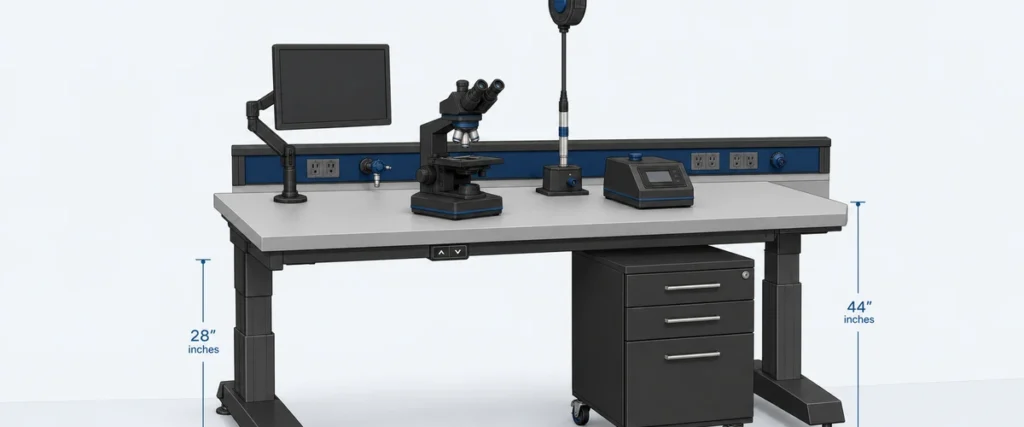
Universal lab design moves past baseline ADA to motorized flex tables, mobile roll-out casework, and universal reach zones that adapt to any researcher on shift.
Read More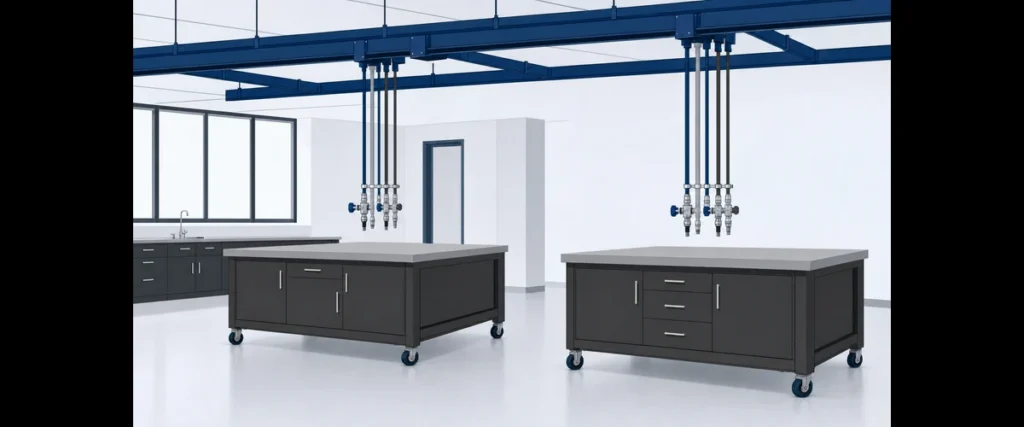
By the OnePointe Solutions Lab Design Team Traditional lab layouts tie utilities to fixed walls or floor plumbing penetrations. That works for a static workflow. It falls apart the moment research priorities shift. A bench reconfigure often means trenching concrete, opening drywall, and weeks of trade downtime. Overhead service carriers for labs pull those utility
Read More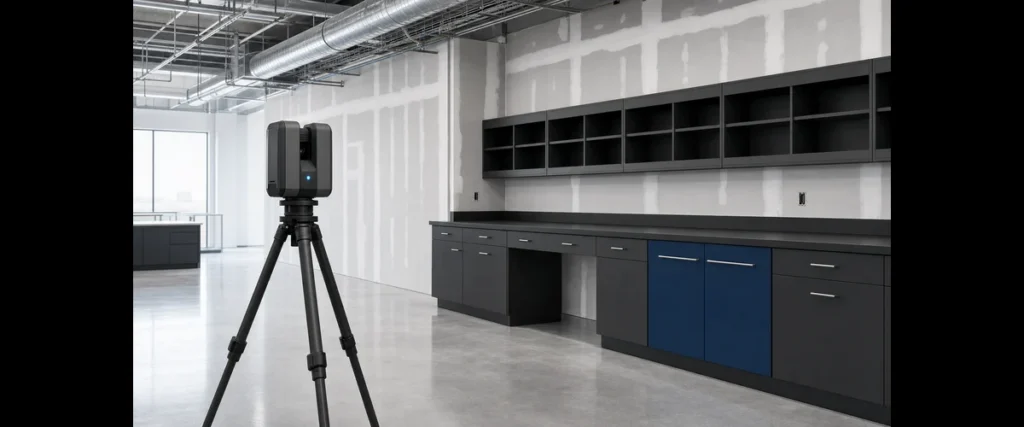
A wall out of plumb by half an inch. A slab that has settled a quarter inch across twenty feet. An unrecorded chilled-water line running right where the overhead service carrier needs to hang. On paper, none of these show up. On install day, they can delay a lab build more than expected. So sometimes
Read More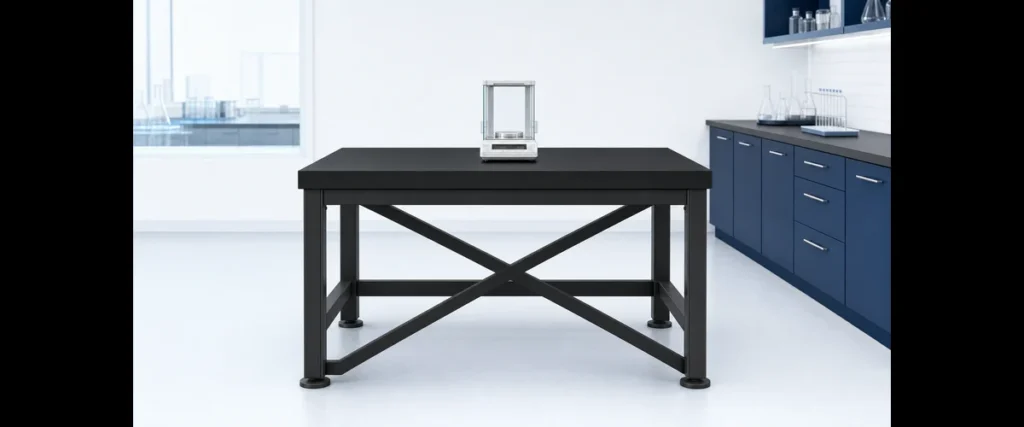
Anti-vibration lab tables protect balances, mass spectrometers, and optical setups. Learn how to spec passive and active isolation for high-precision work.
Read More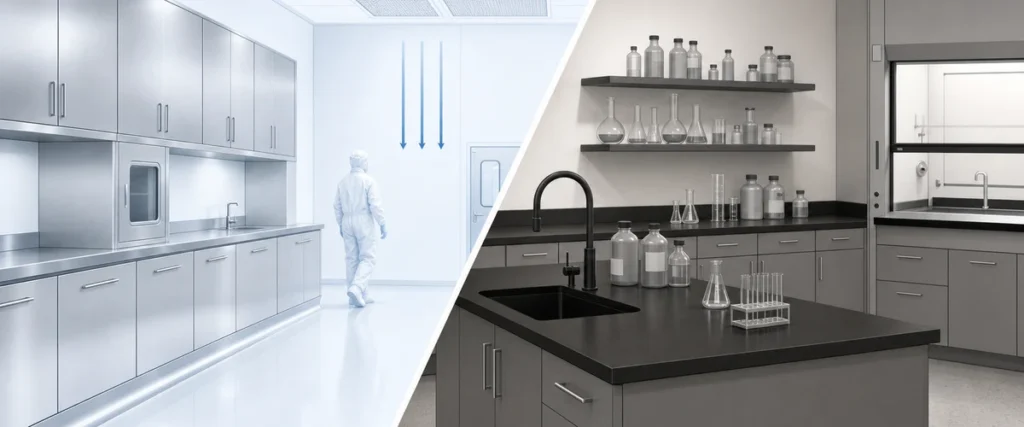
Head-to-head 2026 spec guide: cleanroom vs wet lab. ISO 14644-1, ACH, filtration, casework, worksurfaces, sinks, gowning, and cleaning across ISO 5/7/8 and chemistry wet labs.
Read More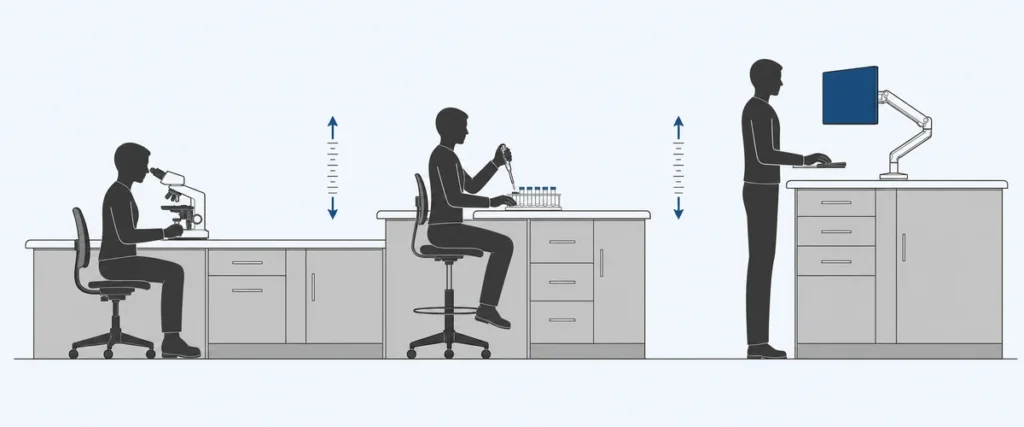
Lab work is precise, physical work. Techs pipette hundreds of micro-samples. They stand at fume hoods for hours. They hunch over microscope stages. It all adds up. So preventing RSI in research labs should be a top priority for any lab manager. According to OSHA data, musculoskeletal disorders and repetitive strain injuries make up more
Read More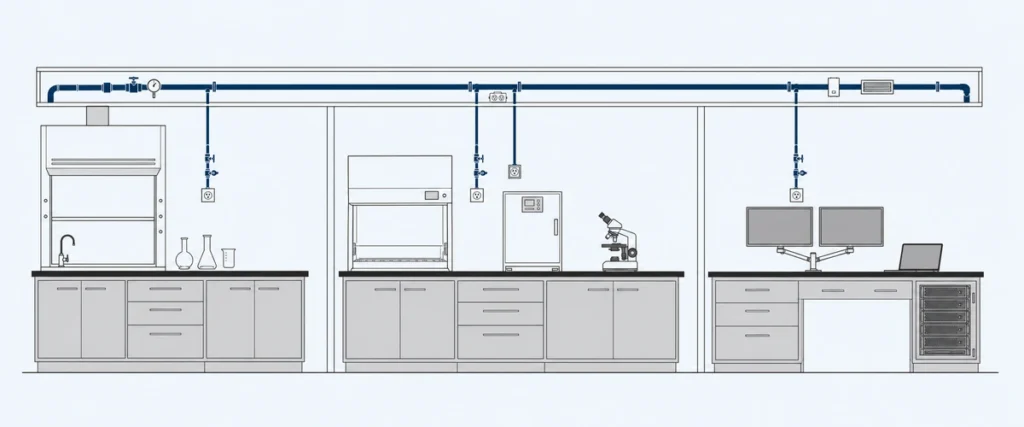
Modern scientific breakthroughs rarely happen in isolated silos. Today, a single drug discovery pipeline might require organic chemists synthesizing compounds, molecular biologists running cell assays, and computational data scientists modeling molecular structures—all working back-to-back. With the rise of collaborative research, multi-disciplinary lab design has become increasingly essential in supporting these dynamic work environments. According to
Read More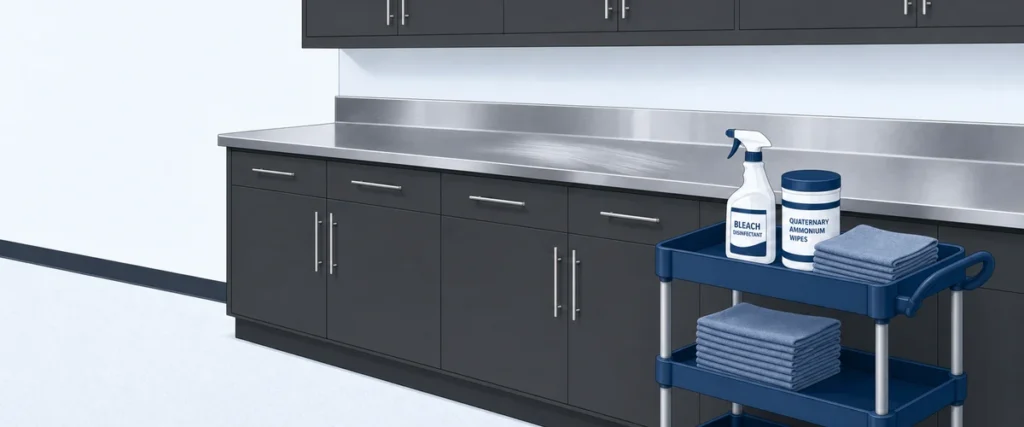
On many labs, the biggest source of finish wear isn’t the work being performed on the bench — it’s the disinfectant being applied to every surface in the room. Here’s how cleaning chemistry, frequency, and exposure method belong in the casework and countertop specification, with a downloadable pre-spec walkthrough architects, lab planners, and facility managers can use immediately.
Read More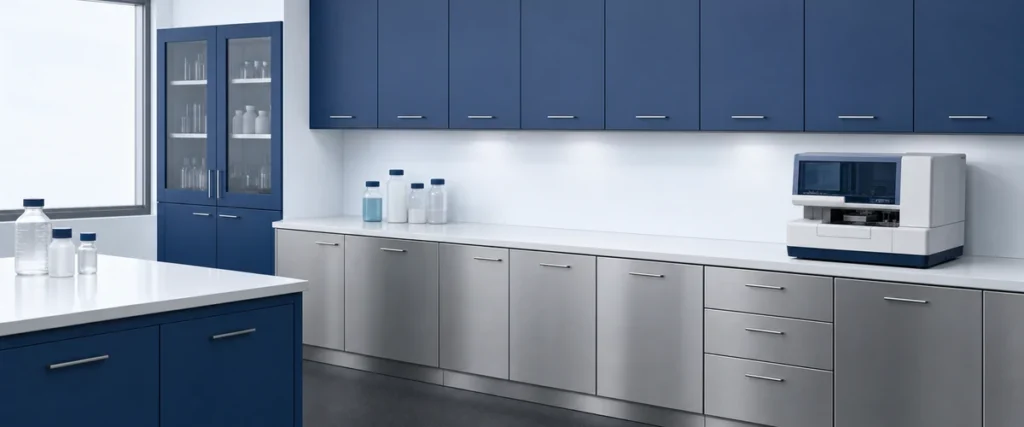
A plain-language guide to what medical-grade cabinets actually are, the materials that back the label, where they belong in clinical and life-sciences settings, and how to write a spec a manufacturer can price.
Read More