OnePointe Solutions designs, manufactures and installs laboratory furniture for animal research procedure rooms, surgery areas, necropsy spaces, support laboratories and facility work areas. We coordinate casework, workstations, countertops, sinks and storage around each room’s procedures, equipment and cleaning requirements.
Furniture planning, manufacturing and installation for commercial and institutional facilities.
Animal laboratories are invaluable assets to public health. Prior to public release, medicines, devices, household products, cosmetics, foods, and more must be tested for safety.
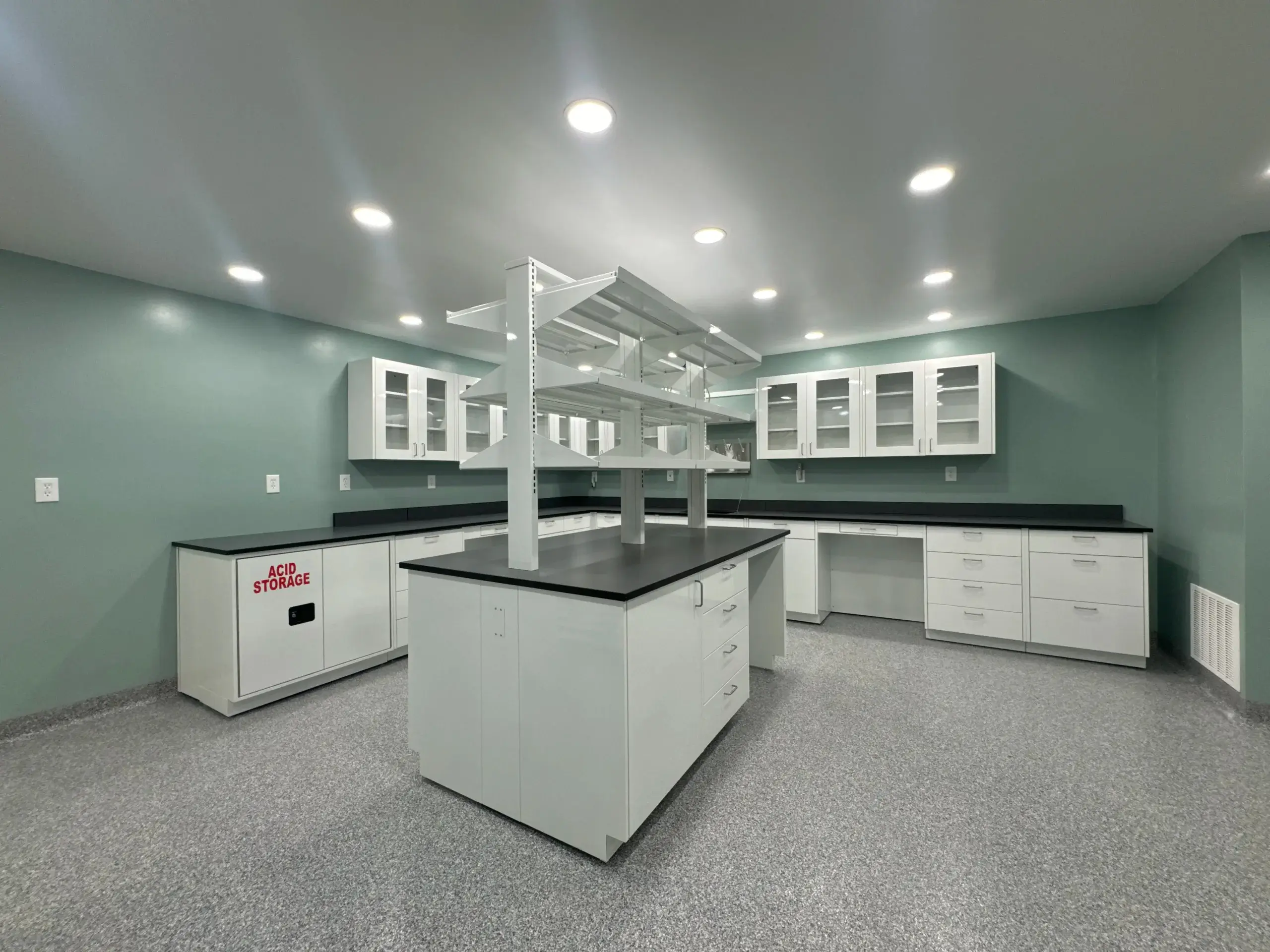
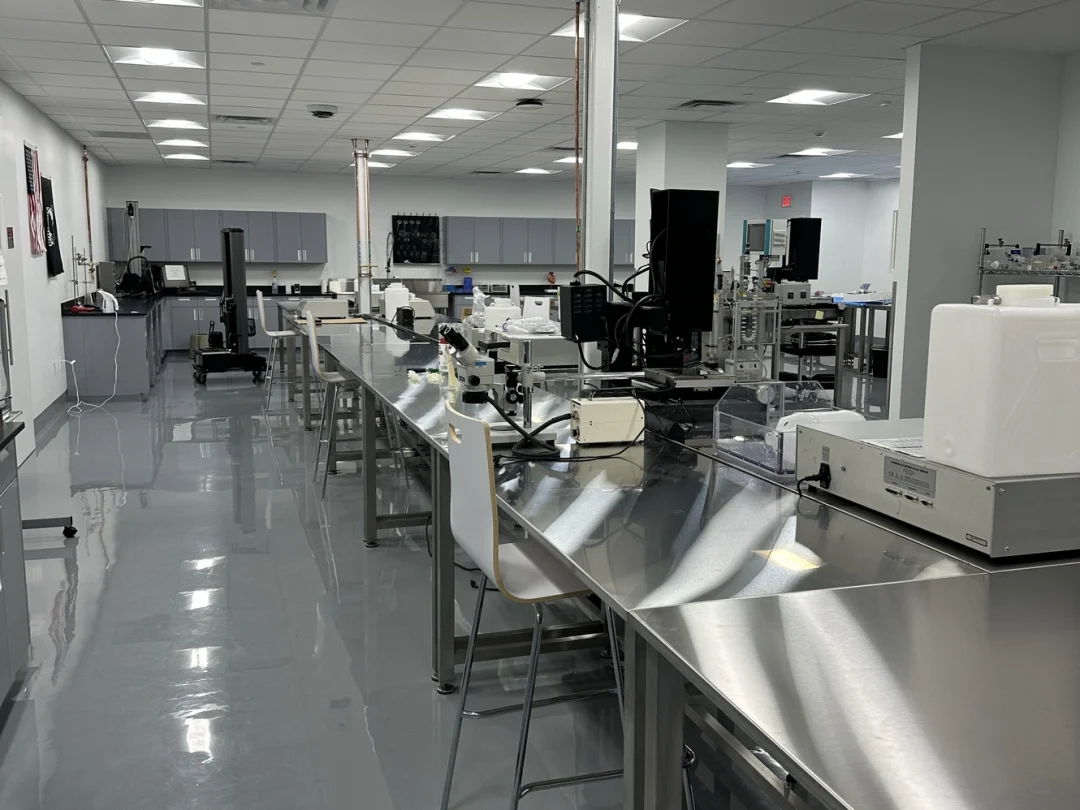
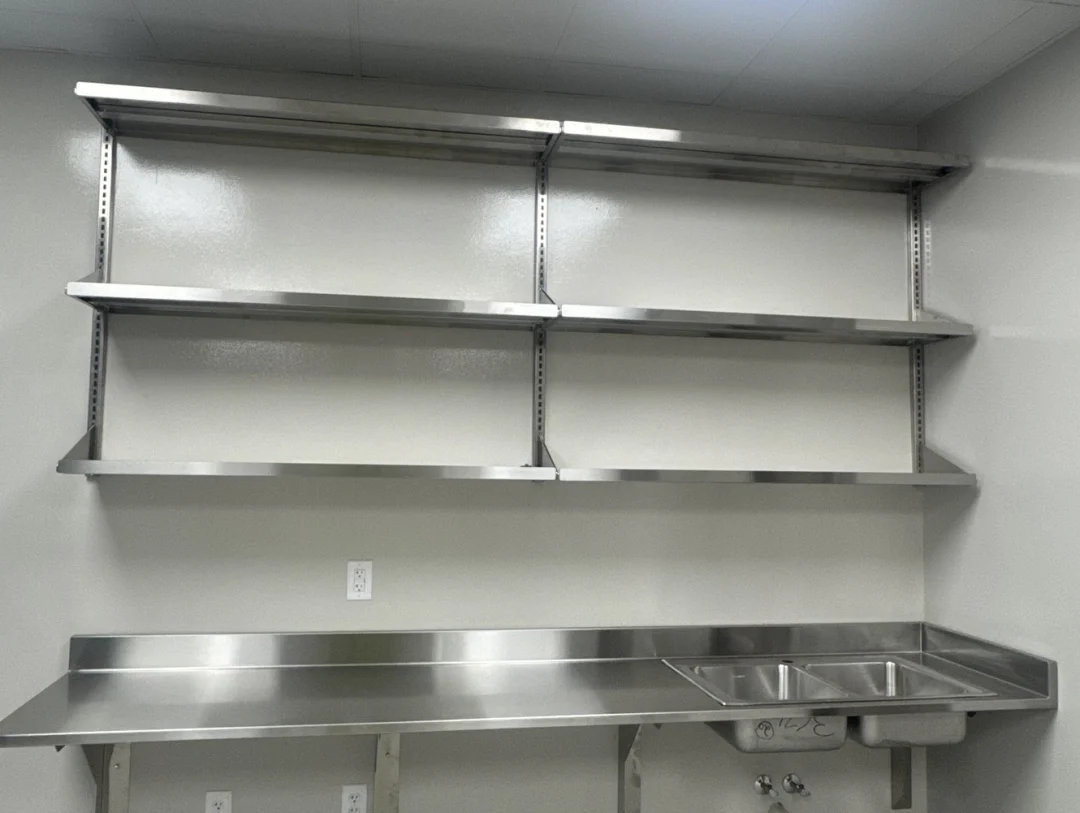


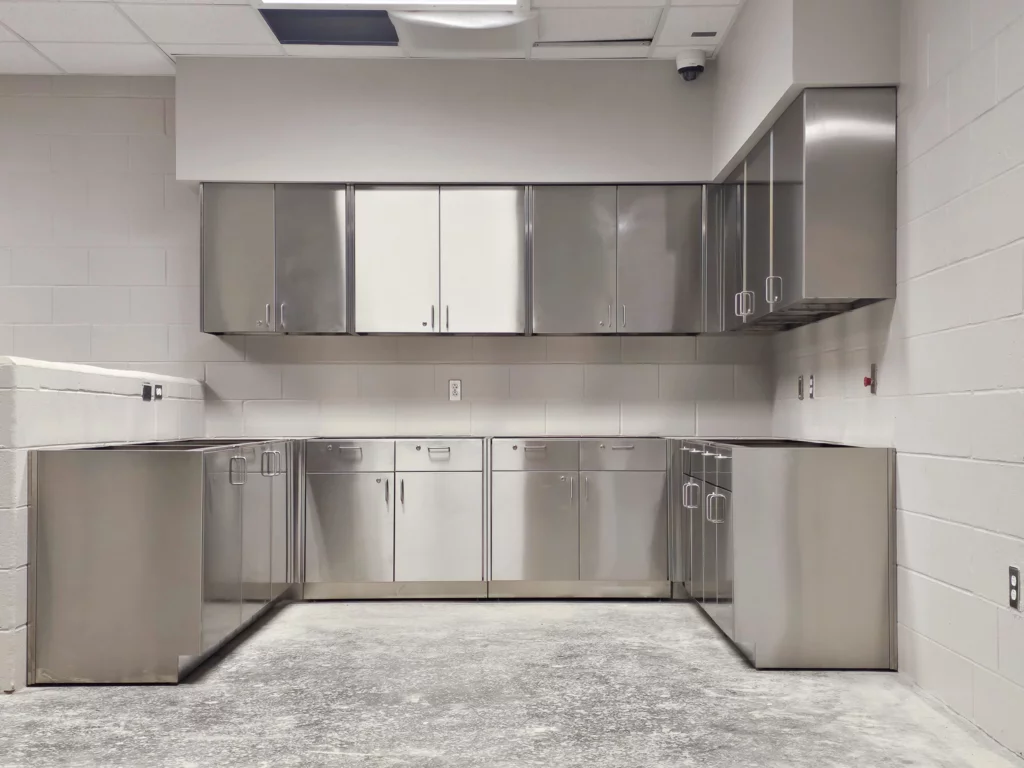
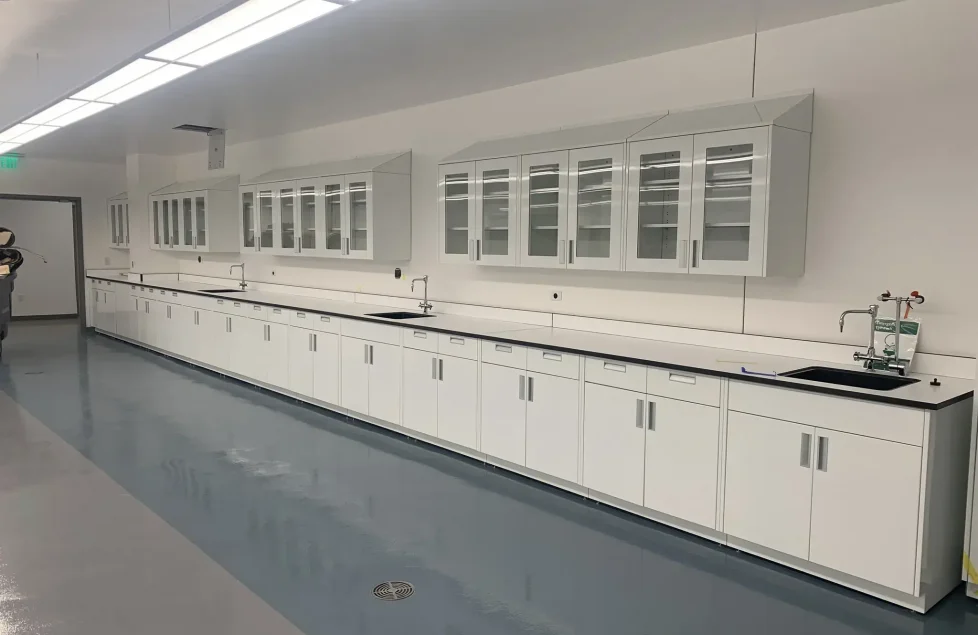
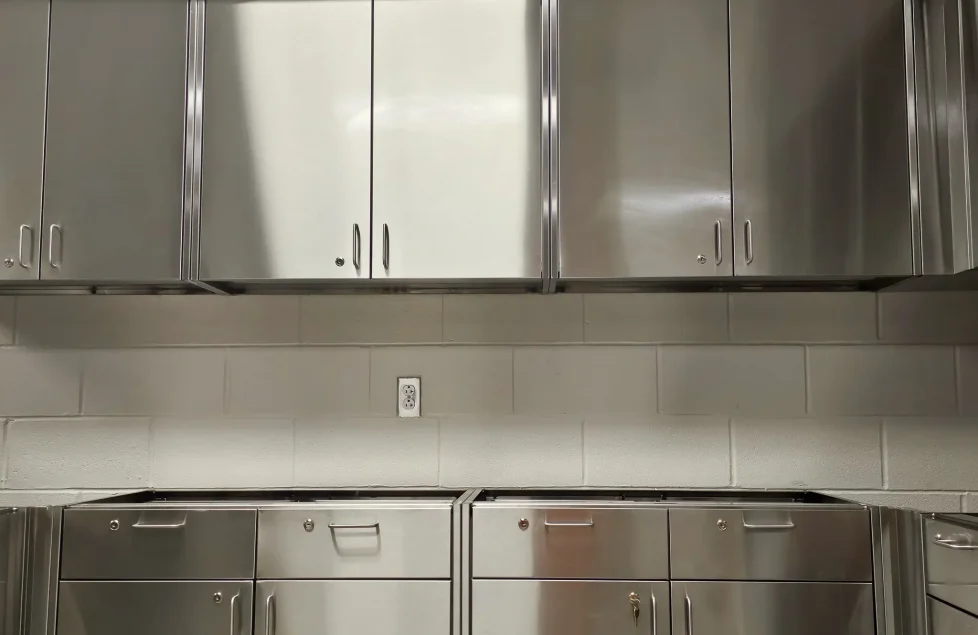
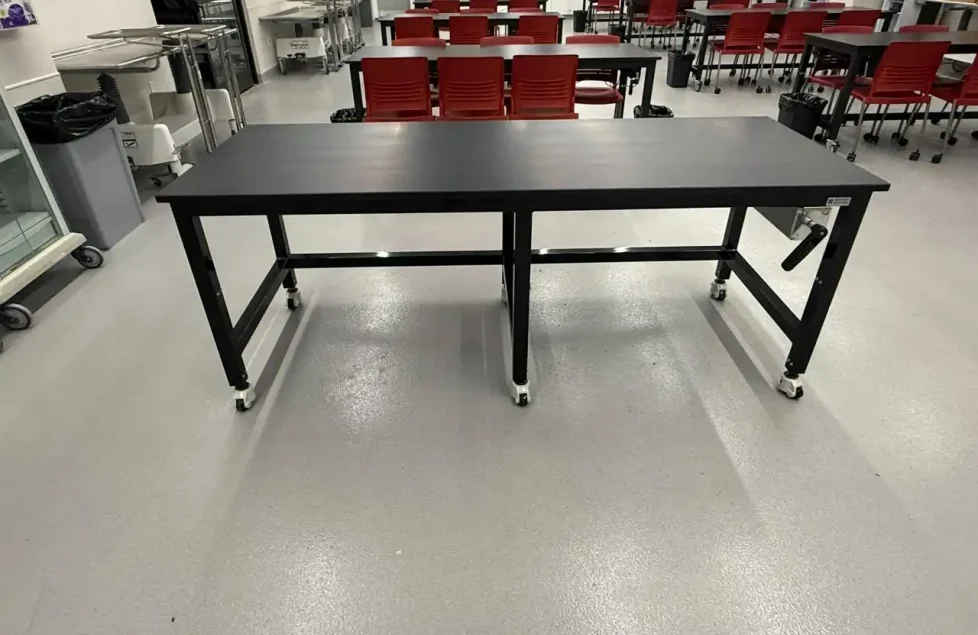
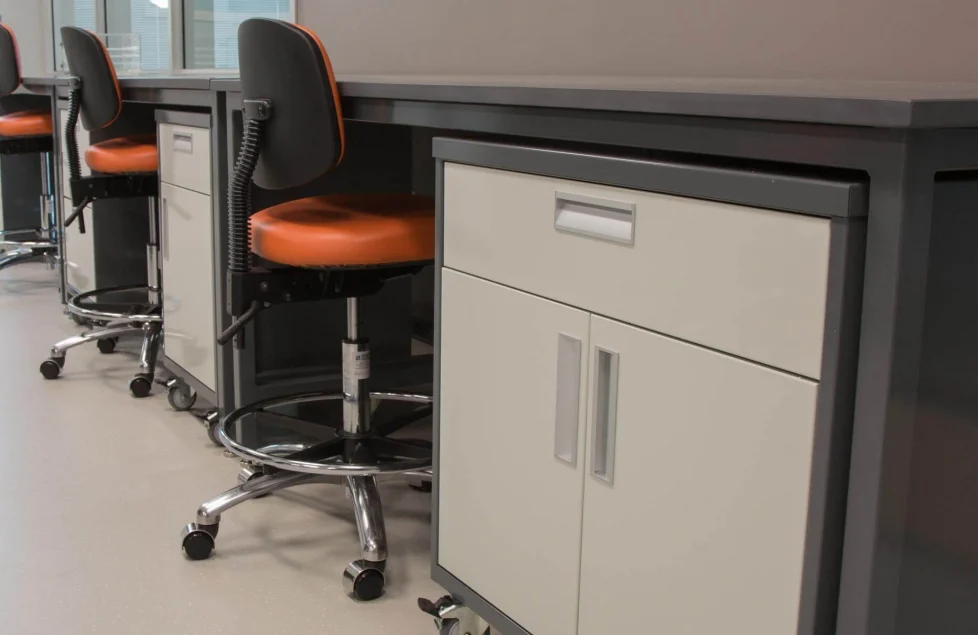
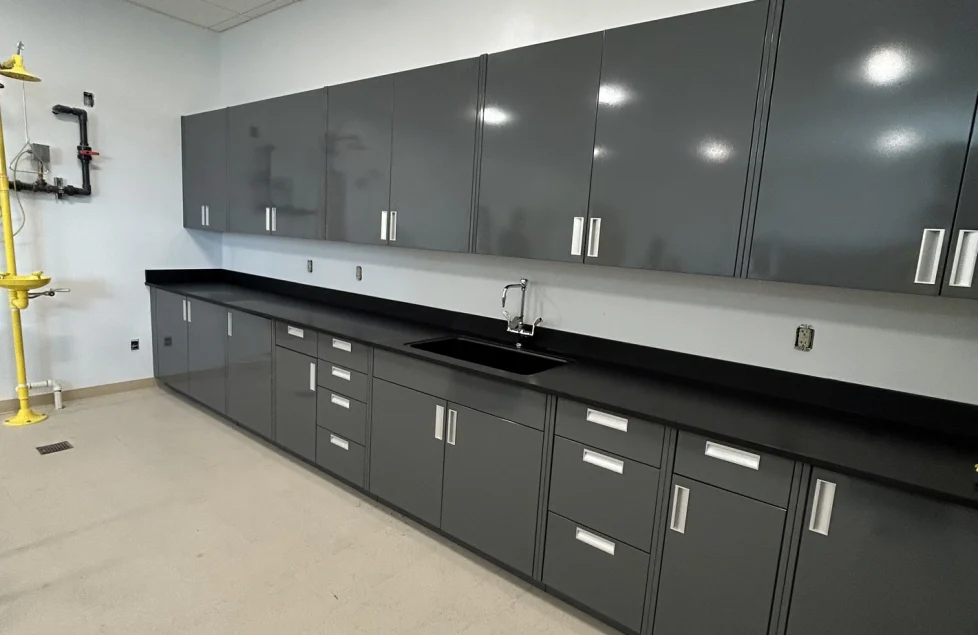
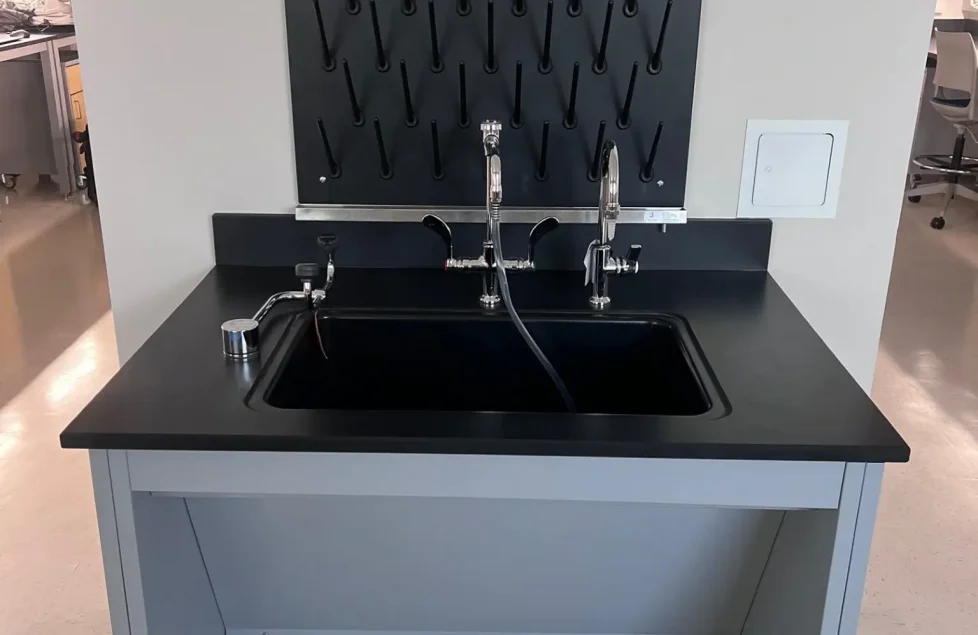
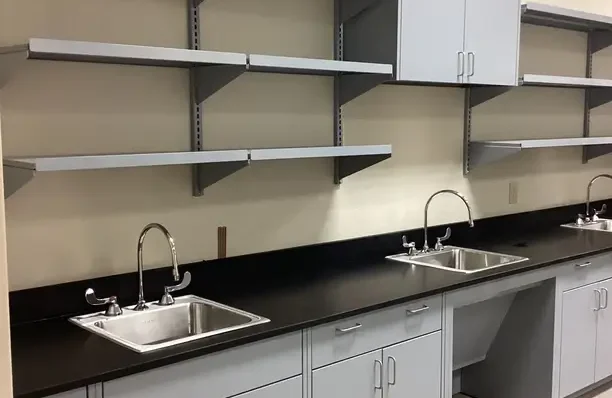
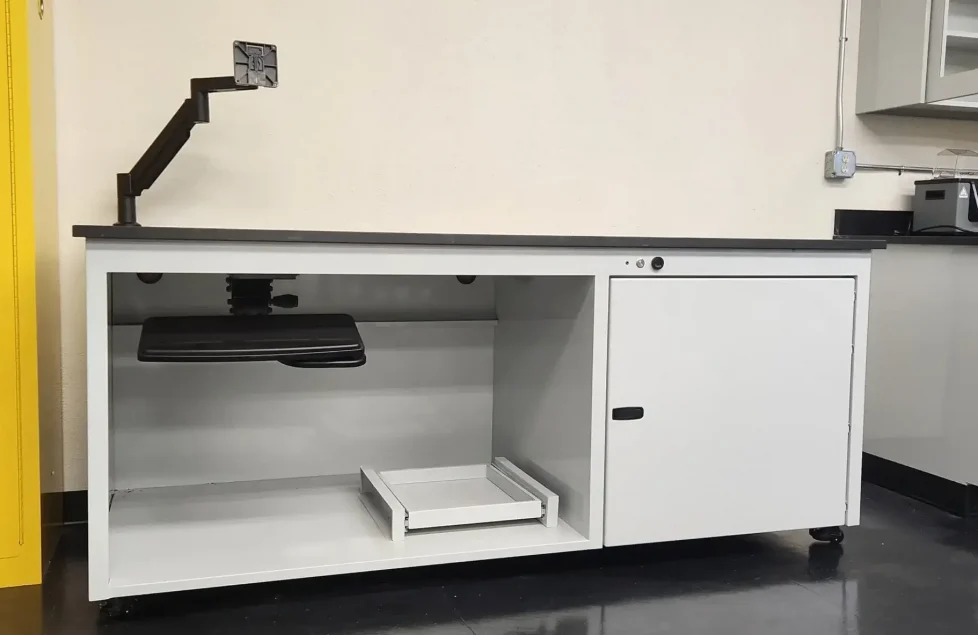

Durable, cleanable casework for general laboratory and support areas

Corrsosion-resistant, smooth and cleanable for high exposure areas.
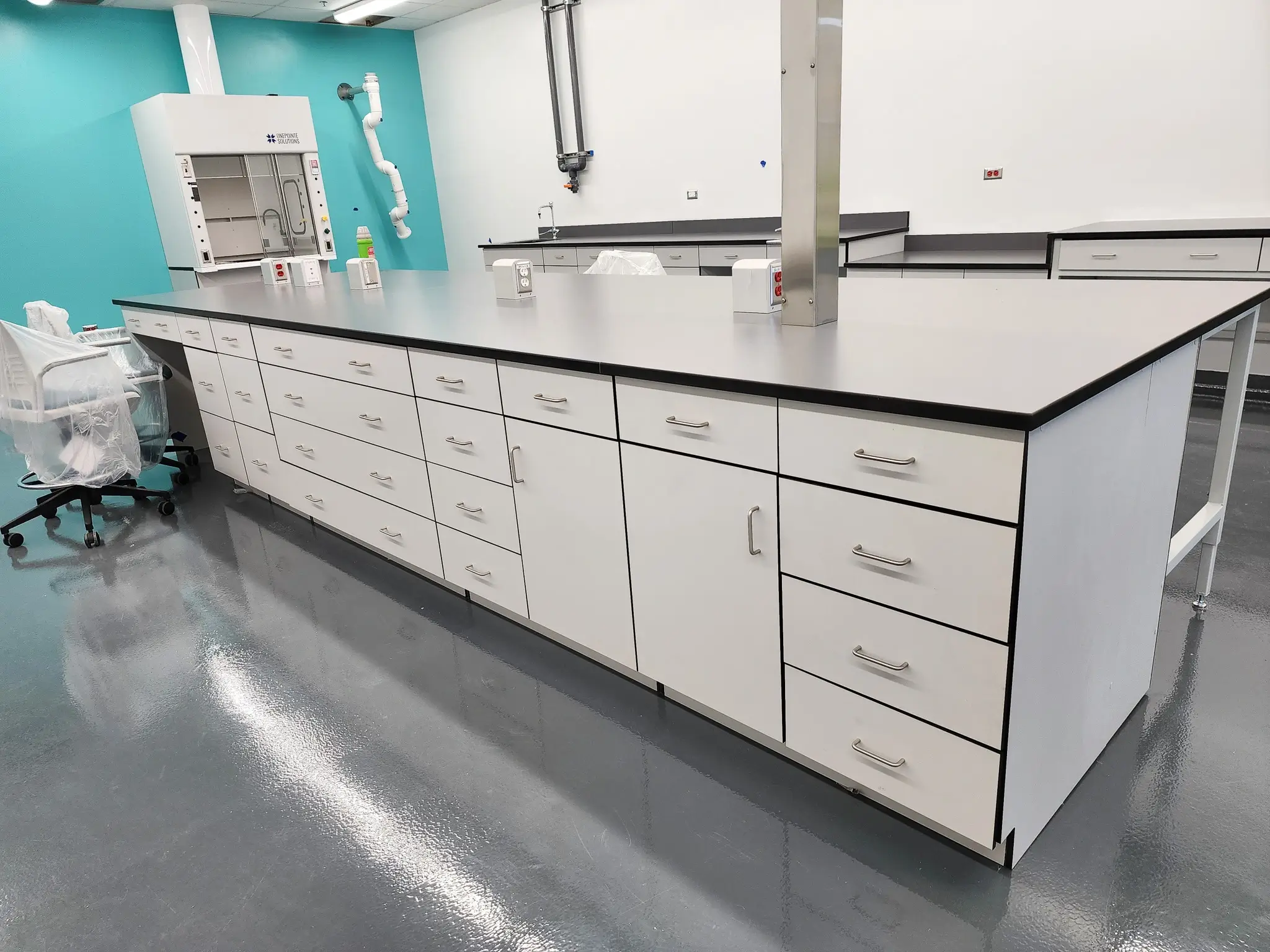
Scratch, moisture-resistant and durable for laboratory work surfaces.

Chemical-resistant surface for lab and supportive applications.
Teams of scientists with extensive qualifications conduct experiments and monitor results to develop medical, household, and other consumer products, both for humans and other animals.
Without the efforts of animal researchers, technicians, and others involved in the running of these facilities, life-saving treatments would go undiscovered, and public safety would be at risk.
Animal laboratories need to be kept at specific environmental conditions to ensure the welfare of test subjects and the quality and accuracy of test results. Rodents, rabbits, dogs, primates, cats, and more are common subjects of animal research, providing incredible insight into both animal and human health. The breeding, raising, housing, testing, and caring for live animal test subjects is a complicated process that requires specialized training and equipment.
We do not provide animal housing systems. It is best to reach out to reputable companies like BSI and Animal Care Systems that offer that kind of equipment.
Working in an animal research facility often involves directly handling animals and various chemicals. In order to keep the research staff safe biosafety cabinets are a great equipment option to have.
Biosafety furniture is designed either to contain or mitigate fumes or other airborne pathogens and are regulated according to various CDC and WHO standards that designate various levels of biosafety requirements. Biological safety cabinets and hoods provide vital filtration, containment, and environmental control, all integral to the safety, accuracy, and efficiency of researchers and their labs.
Material selection depends on the work, funding available and also cleaning regimens in the rooms. If needing to keep a sterile environment at all times then stainless steel is a ideal. Or if wanting a durable cost effective option that’s easy to wipe down with standard cleaners, powder coated metal is a great go-to. Epoxy resin countertops work well in high heat and heavy chemical usage areas, while phenolic resin excels in high moisture spaces. If unsure about the right material combination for your animal research lab, give us a shout for us to help.
We do not – that responsibility falls to the CDC. They set the framework and the specific assignment is based upon a formal biological resist assessment.
Architects, engineers, biosafety professionals and facility team are responsible for setting the building and containment strategy of an animal research lab.
Tell us about your rooms, procedures, equipment, cleaning requirements, location and schedule so we can work and recommend the right approach for your project
We take pride in following industry standards of quality and sustainability. All of our products are tested, certified and sourced in a manner consistent with latest guidelines.