

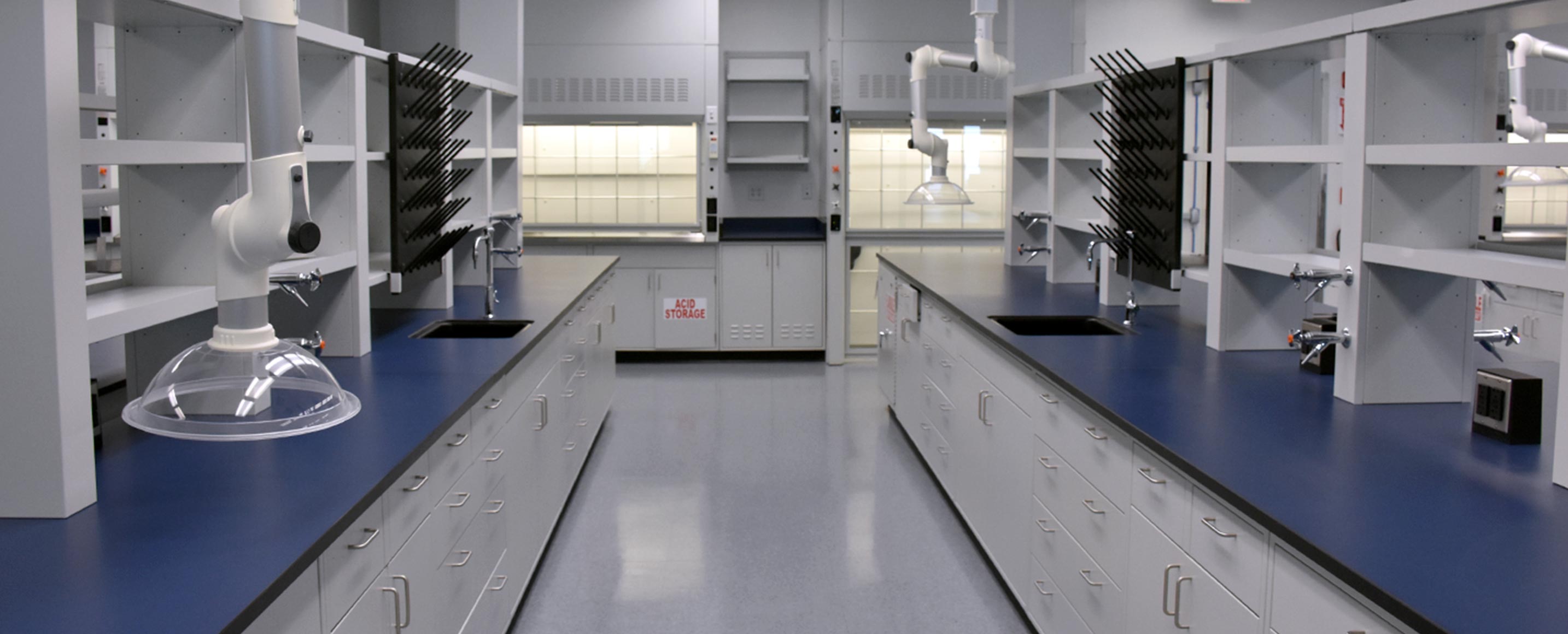
Biosafety cabinet vs fume hood — the 2026 technical refresher to our 2021 primer, with NSF/ANSI 49, CDC BMBL, NIH DRM, and ANSI Z9.5 anchors.
Read More

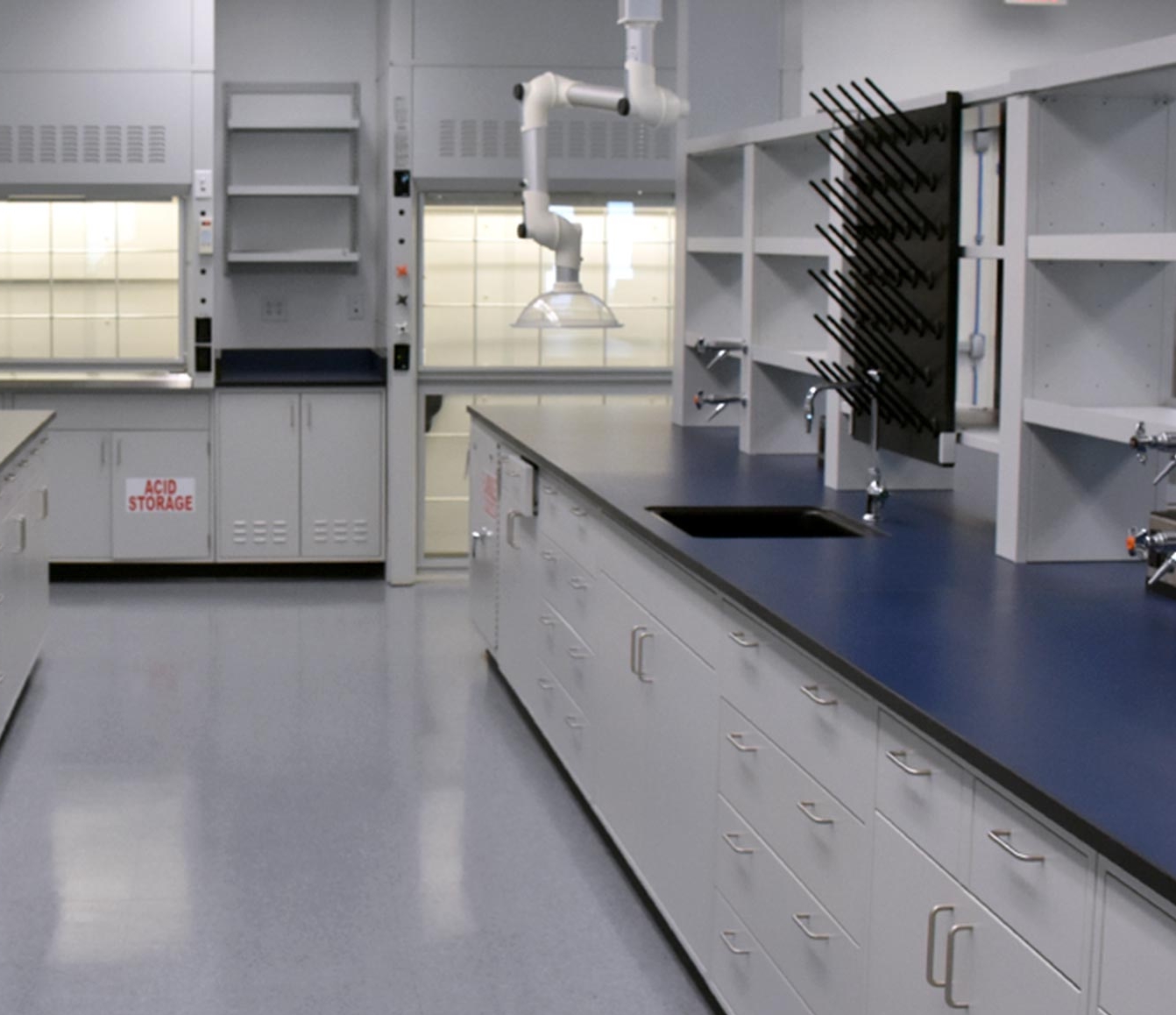
Biosafety cabinet vs fume hood — the 2026 technical refresher to our 2021 primer, with NSF/ANSI 49, CDC BMBL, NIH DRM, and ANSI Z9.5 anchors.
Read More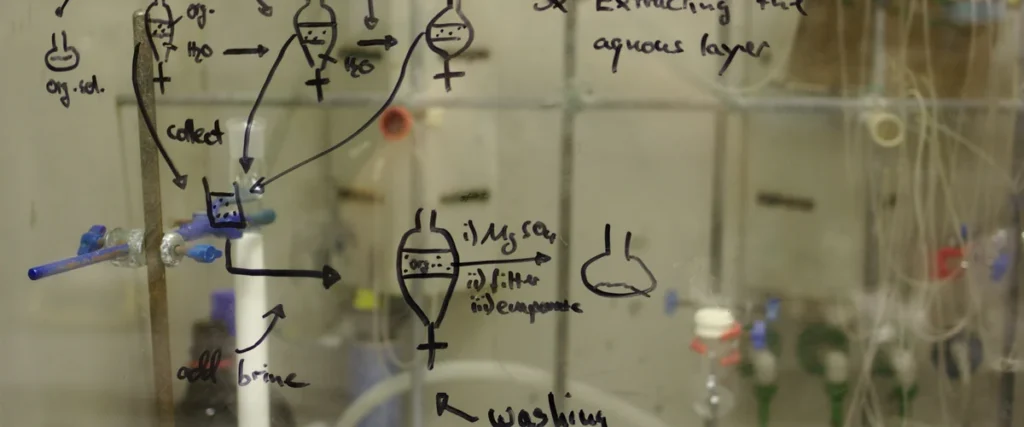
VAV vs CAV fume hoods: a 2026 specifier guide to face velocity, sash management, energy savings, and the standards your spec needs.
Read More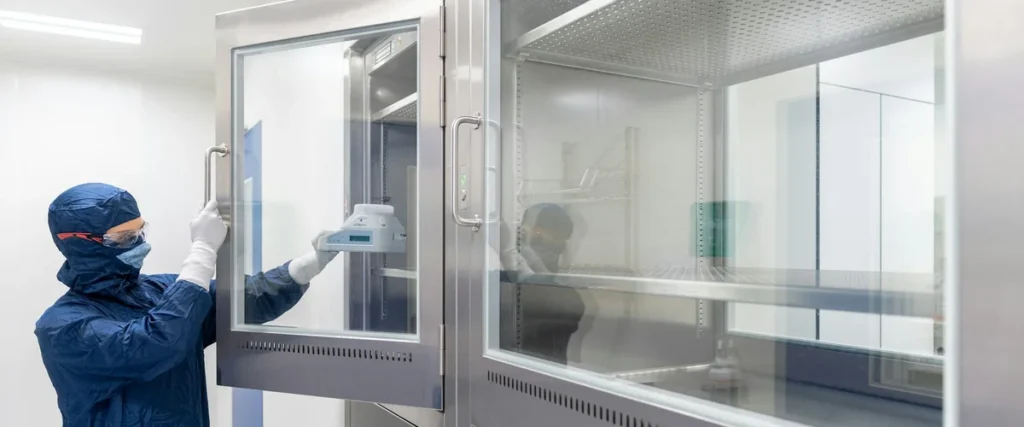
A specifier’s guide to the six lab fume hood types: bypass, low-flow, ductless, perchloric, radioisotope, walk-in. SEFA 1, ASHRAE 110, ANSI Z9.5.
Read More
If you manage a laboratory, the single most expensive piece of infrastructure in your building probably isn’t your mass spectrometer, your autoclave, or your walk-in cold room. It’s your fume hoods. A standard 6-foot constant-air-volume (CAV) fume hood costs approximately $8,260 per year in energy to operate — and a facility with twenty hoods is
Read More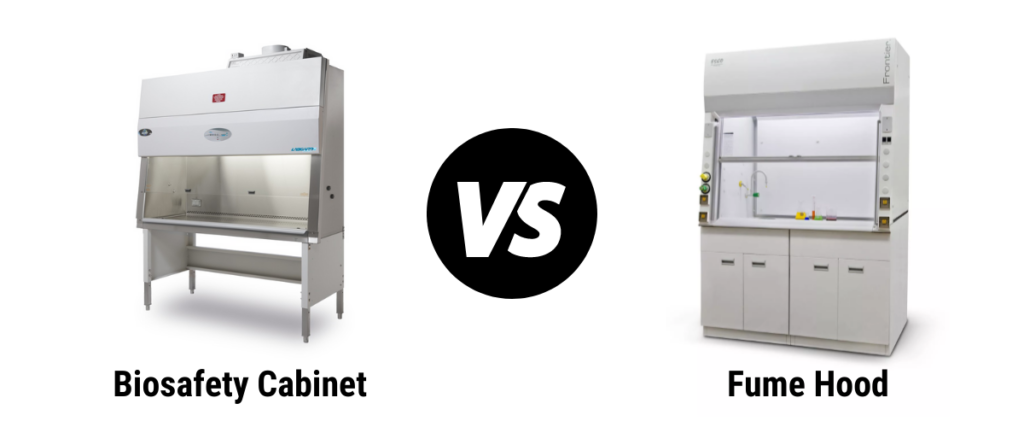
2026 update: We have published a deeper, standards-anchored refresher: Biosafety Cabinet vs Fume Hood 2026: Choosing Right. The 2026 version goes beyond classes and applications into NSF/ANSI 49-2020 Class II subtypes (A1, A2, B1, B2), ANSI/ASSP Z9.5-2022 face velocity, NIH DRM placement clearances, and the four specification errors we see most often. This 2021 primer
Read More
The American physicist Burton Richter once said, “Modern science is fast-moving, and no laboratory can exist for long with a program based on old facilities. Innovation and renewal are required to keep a laboratory on the frontiers of science.” Time and again, his words have been proven correct. To conduct proper research, your lab should
Read More
Fume hoods are used to eliminate potentially harmful or hazardous fumes and vapors from a laboratory working environment by drawing fumes away from technicians and the lab and either expelling the contaminated air or filtering it before recirculating it into the laboratory. The use of fume hoods can help lab techs to remain unharmed and
Read More
Anyone at home in a laboratory setting is likely familiar with fume hoods. They typically look like a little rectangular compartment with five sides enclosed, with one open side at working height. With a quality fume hood, you can complete whatever task you need to do with whatever chemicals you’re using on the surface inside
Read More
Fume hoods provide localized filtration/ventilation and are designed to remove potentially hazardous or harmful fumes, vapors, and droplets away from lab personnel. Research, manufacturing, and medical labs handle many corrosive chemicals, biological/viral agents, materials that may cause respiratory irritation, and substances with highly flammable fumes. Fume hoods allow researchers and lab personnel to handle these
Read More